
Give your agent answers
it can act on.
Agentic commerce comes down to three things: better discovery, frictionless commerce and monetizable discovery. Connect gives your agent context it can reason over, an easy way to find the right product, a peer agent to ask, and a way to complete the purchase. Every answer that becomes an order becomes revenue.

Attributed to you Whole basket, new and returning orders
Why agents and the builders behind them choose Loyaltie Connect.
Four reasons, in one integration: the supply, what your users get, the technology and the monetization.
The supply
Independent brands, direct from the makers.
- Products your users won't find on the same shelf everywhere else
- Bought directly from the people who make them
- Real makers and real stories behind every product
What your users get
A delightful way to buy, not just a link.
- Ongoing member promotions (free shipping, $10 off when they join)
- One point of contact that owns every purchase: payment, delivery and any issue, guaranteed by Loyaltie
- One account and one cart across every brand
- One place to manage orders, plans and messages
- A direct line to the makers, plus promotions and purchase protection
The technology
Ready for agents, ready for your product.
- A catalog with context cards for every product
- Predicted interest: what your users are likely to buy
- Agent to agent with Maya, and UCP with MCP
- Every way in: links, a feed or API, agent tools, full checkout
The monetization
Close to selling it yourself.
- 5 to 10% of every order, on the whole basket
- New and returning orders through you
- The relationship with your users stays yours
- Monetize the frictionless discovery you own
It comes from the supply.
Commodity catalogs make every agent give the same answer. Give yours answers nobody else can, a way to complete the purchase, and terms built for how agents behave.
Built to be read by agents.
Structured context your agent can reason over, like an API, not scraping. Fewer tokens, better matches, the whole marketplace in one read. Unlike per-brand agent tools, the agent side generates revenue here too.
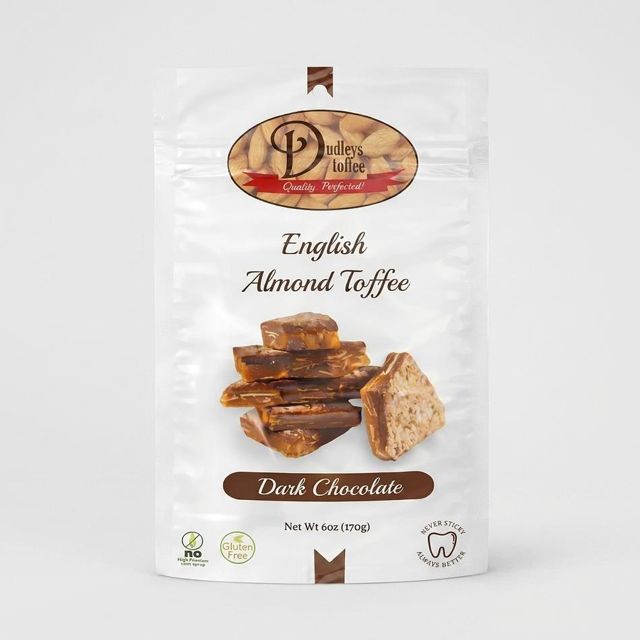
Who it's forChocolate lovers, and anyone hard to buy a gift forWhen to recommendGifts, thank-yous, a treat to shareWhy it fitsSmall-batch toffee from an independent shop, not on supermarket shelvesClaimsMaker states it won't stick to teeth; 6 ozTerms$16.00, free member shipping, 5 to 10% to youIllustrative context card
My user wants this toffee as a Friday gift. Can it arrive in time, and is there a better deal?
I'll ask the maker about Friday now. Your user ships free with membership.
Dudley's confirms it ships tomorrow.
Great. Complete the order for my user.
to recommend and buy well.
Agents don't browse. They read, reason and act. Connect gives them better discovery, frictionless commerce and discovery you can monetize.
Context cards
Who a product is for, when to recommend it, why it fits, the maker's own claims and the terms, in one structured card.
Find by need
Search the whole marketplace by need, life area and attributes like Vegan or Gluten-free, in one read. Fewer tokens than scraping pages.
Predicted interest
Which products your user is most likely to buy, and which generate the most revenue for you.
A peer agent to ask
Maya answers your agent: asks the maker, confirms delivery, and finds better terms for your user.
Checkout in the conversation
UCP, with MCP as transport. One account for your user across every maker.
Revenue on every order
Whole basket, on new and returning orders. Agents are welcome here, not blocked.
we solve for you.
Monetization is the open question
Subscriptions alone rarely cover inference. Commerce is revenue your users create by doing what they already do.
Every assistant gives the same answer
Pull from the big retail catalogs and you return what every other assistant returns.
Retail shares little, and blocks agents
Big retail programs share 1 to 3%, once, and many block automated agents outright.
at its real status.
Start with what's live. Add more as it ships, on the same economics.
Start with: The catalog and agent layer
The catalog
Thousands of products from independent brands, structured for an assistant to reason over.
Predicted interest
For every product, how likely your user is to buy it and the revenue it generates for you. Recommend what fits.
Attributed links
Hand your user a link today. Whole basket, new and returning orders count.
Agent layer
Context cards for every product (available), and agent-to-agent with Maya to ask the maker and get your user better terms (early access).
Checkout in the conversation
Full commerce through UCP, with MCP as transport.
to your first order.
Get the catalog
In your Connect account, or designed for your assistant as a feed or by API.
Match it to the moment
Use predicted interest to pick the product your user is most likely to want.
Let them buy
Hand over an attributed link today. Complete checkout in the chat when full commerce ships.
Generate revenue on every order
The whole basket, the first order and every order they come back to place through you.
What your users would buy.
"Something sweet for my dad"
Small-batch toffee from Indiana, not the box every other assistant suggests.
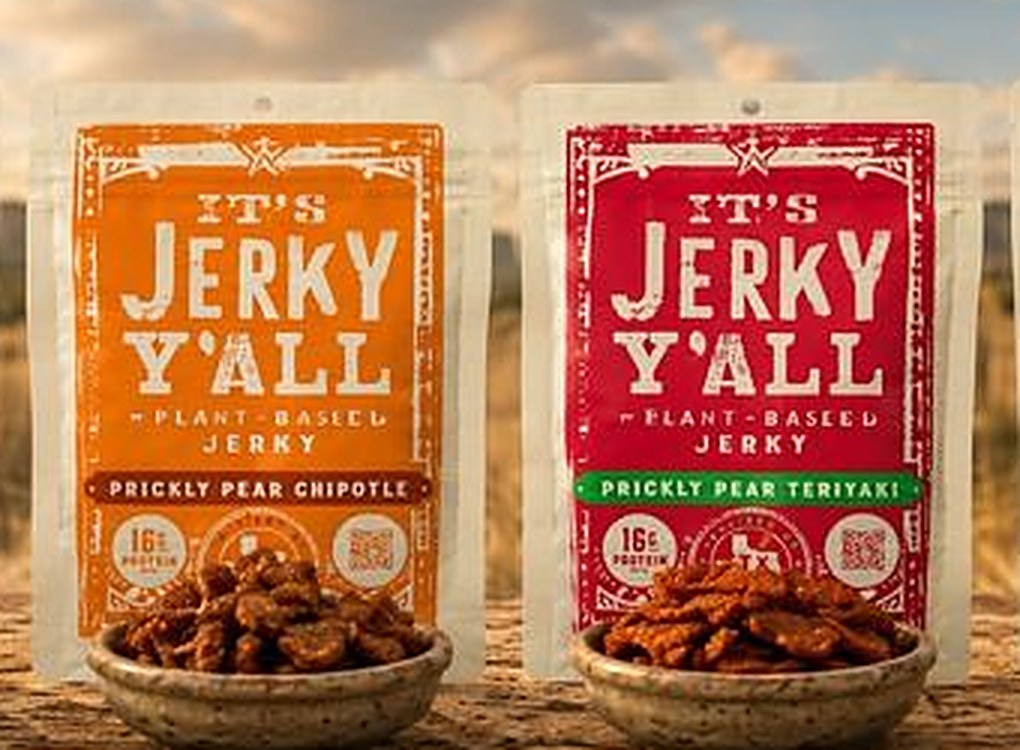
"A plant-based road trip snack"
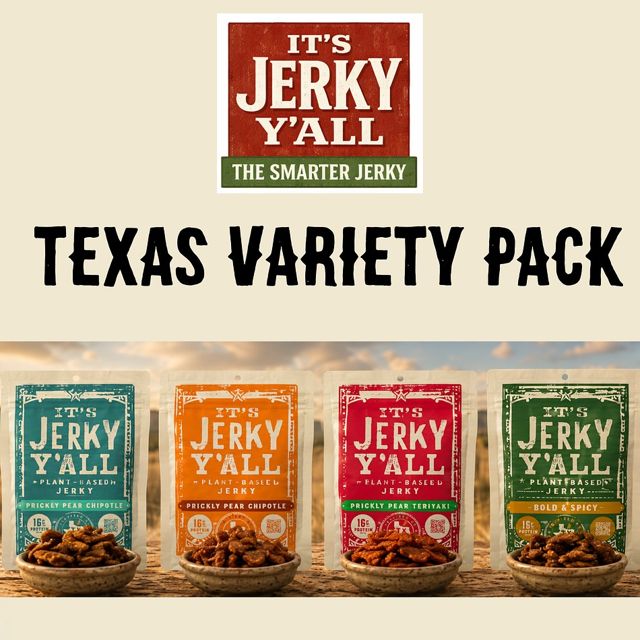
A four-flavor variety pack from an independent Texas brand.
"Restock my usual"
They come back through you to restock, and that order is attributed to you again.
not on clicks.
5% of every referred order on Standard, 10% on Featured, on the whole basket, on new and returning orders. Invitation tiers exist above.